Categories

The Drive F22 Walker manual offers concise guidance for users to confidently operate and maintain this advanced mobility device. This introduction outlines key objectives, scope, and essential safety reminders to ensure optimal performance and user well‑being. Follow steps for safe use today.!!

The Drive F22 Walker blends lightweight design with robust power, delivering smooth mobility. Its ergonomic frame, adjustable seat, and intuitive controls enable efficient navigation, while safety fully features ensure reliable operation across varied terrains.
The Drive F22 Walker delivers mobility with safety and comfort. Its lightweight aluminum frame, reinforced with carbon‑fiber inserts, supports up to 120 kg and offers a stable, low‑center‑of‑gravity platform that reduces tipping risk. The seat system is fully adjustable, featuring a reclining backrest, lumbar support, and padded armrests that can be repositioned to fit users of varying heights and body types, ensuring a natural posture during extended use.
The combination of robust engineering, ergonomic design, and advanced safety systems makes the Drive F22 Walker a reliable solution for clinical and everyday mobility needs!!!

Always secure the walker’s harness and keep straps tight. Maintain battery above 20% to prevent sudden loss. Inspect wheels and brakes for wear, never exceed weight limit. Follow manufacturer instructions, keep controls dry, and report malfunctions promptly. Stay safe.
Always wear the walker’s safety harness and ensure straps are snug before each use. The harness distributes weight evenly and prevents accidental falls. 2. Keep the device’s battery level above 20% to avoid unexpected power loss during critical moments. 3. Inspect all wheels, brakes, and frame for damage or wear before each session; replace any compromised parts immediately. 4. Do not exceed the manufacturer’s maximum weight limit of 250 kg; overloading can compromise stability and safety. 5. Keep the walker’s controls dry and free of debris; moisture can cause electrical faults. 6. Follow the manufacturer’s recommended operating speeds and never attempt to override speed limits. 7. Keep the walker’s path clear of obstacles, wet surfaces, and uneven terrain. 8. Report any malfunctions or unusual noises to a qualified technician promptly. 9. Store the walker in a dry, well‑ventilated area when not in use, and keep the battery fully charged. 10. In case of an emergency, use the emergency stop button immediately and seek assistance. Adhering to these rules ensures safe, reliable operation of the Drive F22 Walker. Inspect the walker’s frame for cracks before each trip to avoid failures. Reduce speed on uneven ground! Recharge the walker’s battery when low to avoid interruptions for safety. Clean the walker’s wheels after use to ensure smooth rotation. Check the manual for updates before each operation to stay informed. Check alignment for safety!

Before using the Drive F22 Walker, perform a inspection: verify battery charge, check wheel integrity, ensure harness straps are secure, confirm all controls are functional, and clear the path of obstacles. Follow these steps for safe operation. Check for loose boltsand ensure brakes function nowbefore!
Ensure each item is checked before each use. Missing a single step can compromise safety or reduce device lifespan.

Complete the checklist before each session to maintain safety now .

To operate the Drive F22 Walker, first power on the unit, then adjust the speed dial to a comfortable setting. Use the forward/reverse buttons to navigate, and the left/right levers for turning. Monitor battery level and ensure all safety checks are complete before departure. Stay alert and safe. !!!
Proper power source management is essential for reliable operation of the Drive F22 Walker. The device uses a high‑capacity lithium‑ion battery pack that delivers up to 8 hours of continuous use on a single charge. Before each session, verify that the battery level indicator shows at least 20 % to avoid unexpected depletion. The charging dock is designed for quick, safe recharging; connect the dock to a grounded outlet and allow the battery to reach 100 % before use. Avoid over‑charging by unplugging the dock once the indicator turns green. For extended trips, carry a portable charger with a minimum 10 Ah capacity and use the built‑in USB port to top‑up the battery. Monitor temperature during charging; if the battery feels warmer than ambient, pause charging and allow cooling. Regularly inspect the charging cable and connectors for wear, and replace any damaged parts immediately. The Walker’s power management system automatically throttles output to protect the battery from deep discharge, but users should still adhere to manufacturer guidelines to prolong battery life. Follow these steps to ensure consistent performance and safety.
In addition, schedule a battery health check every 30 days. Use the diagnostic mode to read battery health metrics and replace the pack if the capacity falls below 70 % of original. Store the Walker in a cool, dry place when not in use; avoid temperatures below 0 °C or above 45 °C. Keep the battery compartment clean and free of dust. If the battery shows signs of swelling or leakage, discontinue use immediately and contact support. The Walker’s firmware includes a low‑power mode that reduces motor draw during idle periods; enable this feature via the settings menu to extend standby time. Finally, keep a spare battery on hand for long‑distance journeys or in case of unexpected power loss. By following these comprehensive guidelines, users can maintain optimal power performance and extend the overall lifespan of the Drive F22 Walker.
Speed and direction controls on the Drive F22 Walker are engineered for intuitive operation and precise maneuverability. The main interface consists of a thumb‑controlled joystick that simultaneously governs forward/backward motion and lateral turning. To accelerate, the user pushes the joystick forward; the device’s motor controller interprets the input and ramps speed smoothly up to the maximum rated 1.8 m/s. Reverse motion is achieved by pulling the joystick backward, with a built‑in safety limiter that caps reverse speed at 0.9 m/s to protect the user from abrupt backward movement.
For fine‑tuned control, a secondary speed‑adjustment dial is located on the front panel. This dial offers discrete speed settings: 0.3, 0.6, 0.9, 1.2, and 1.5 m/s. Selecting a lower setting reduces motor torque, conserving battery life during gentle strolls, while higher settings provide for longer distances. The walker’s firmware automatically applies a hysteresis filter to prevent rapid oscillations when the joystick is near neutral, ensuring a stable ride. Users can also engage a “comfort mode” via the mobile app; this mode limits maximum speed to 0.8 m/s and adds a gentle acceleration curve, ideal for users with balance concerns. Directional feedback is provided through a small LED indicator that flashes green for forward, red for reverse, and blue for turning, giving the operator real‑time visual confirmation of the current motion state. All controls are fully programmable, allowing advanced users to customize acceleration profiles and turning radii through the onboard configuration menu. By mastering these speed and direction controls, operators can achieve smooth, responsive, and safe navigation across a variety of terrains and environments;
Calibration ensures neutral accuracy, reducing drift.
The joystick’s ergonomic design allows for a natural grip, and the integrated torque sensor provides instant feedback to prevent overexertion during turns.
All settings are. Today! OK
Customizing the Drive F22 Walker’s performance is straightforward through the built‑in configuration interface. First, access the settings menu by pressing the “Menu” button on the front panel. The display presents adjustable parameters: maximum speed, acceleration profile, braking sensitivity, and torque compensation. For maximum speed, the user can select from 0.3, 0.6, 0.9, 1.2, or 1.5 m/s. Acceleration is controlled by a slider that defines how quickly the walker reaches the chosen speed; a gentle slope is recommended for users with limited strength, while a steeper slope can be selected for experienced operators. Braking sensitivity adjusts the deceleration rate; a higher sensitivity value results in a quicker stop, useful in crowded spaces. Torque compensation allows the walker to automatically adjust motor output based on load; setting this to “auto” ensures the device maintains consistent speed when carrying a bag or when the user’s weight shifts. The interface offers a “profile” feature, enabling the creation of multiple presets (e.g., Home, Work, Outdoor). Each profile stores its own set of parameters, and the user can switch between them with a single button press. The app provides visual graphs of speed versus time, enabling precise calibration. By tailoring these parameters, users can match the walker’s behavior to their comfort level, ensuring a safe and efficient experience
All adjustments are saved and can be recalled at any time. Settings persist across power daily cycles!!!

Routine maintenance keeps the walker in top shape. Check wheels, brakes, and battery monthly. Clean the frame with mild soap, dry, and lubricate moving parts. Replace worn belts after 2000 km. Store in a dry, cool place. Follow the manual for part changes daily care!!!
Regular upkeep of the Drive F22 Walker ensures longevity and reliable performance. Begin each maintenance session by inspecting the frame for cracks, dents, or corrosion. Use a soft brush to remove dust from the wheel hubs and verify that all bolts are tightened to the manufacturer’s torque specifications.
Next, clean the battery compartment with a damp cloth, avoiding any conductive liquids that could short the terminals. Inspect the battery cells for swelling or leakage; replace any compromised cells immediately. Lubricate the pivot joints with a silicone-based grease, applying a thin film to prevent metal‑to‑metal contact and reduce wear.

Check the brake pads for wear; if the friction surface has reduced by more than 25%, replace them to maintain stopping power. Test the power‑on sequence and confirm that the drive responds to speed and direction inputs without delay.
Finally, document all maintenance actions in the user log, noting dates, parts replaced, and any anomalies observed. Consistent adherence to these routine tasks will extend the walker’s service life and keep users safe and comfortable during daily use.
Quarterly, run a system diagnostic via the onboard interface. Connect the diagnostic cable to the port under the rear panel,Check error logs for low voltage, sensor misalignments, or timeouts, and address flagged issues by recalibrating sensors, replacing faulty modules, or updating firmware. Replace the seat cushion if foam compresses or shows mold. Keep spare parts—wheel bearings, brake pads, battery cells in climate‑controlled storage to reduce downtime and extend the Walker’s lifespan.

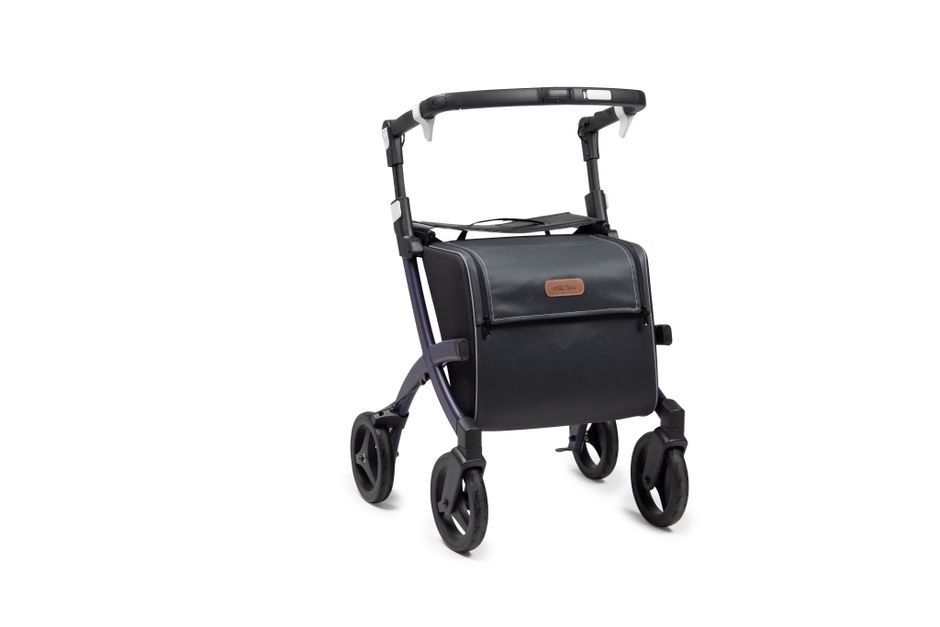
When the Drive F22 Walker stalls, check battery level first. If low, recharge fully. Ensure speed lever is centered; a misaligned lever may lock the drive. Clean wheel bearings of debris; Reset by powering off 30 seconds, then restart. Check diagnostic screen for errors. Press reset, then cycle.
Battery depletion: If the walker stops abruptly, verify the battery charge. Fully recharge the 48V lithium‑ion pack and allow it to stabilize for 10 minutes before resuming operation. 2. Motor stall: A sudden halt may indicate a mechanical blockage or a fault in the drive motor. Inspect the wheel assembly for debris, ensure the gear train is free, and confirm the motor controller displays no fault codes. 3. Speed control lock: The speed lever may lock due to a mis‑aligned cam or a damaged potentiometer. Gently adjust the lever to center position and test the throttle response. 4. Error code display: The onboard LCD will show hexadecimal codes (e.g., 0xA1, 0xB2). Refer to the troubleshooting table in Appendix C to decode and address each code. 5. Sensor mis‑reading: If the walker lurches or turns unexpectedly, check the proximity sensors for dirt or obstruction. Clean with a soft brush and recalibrate using the reset procedure. 6. Over‑current protection: The drive will shut down if the current exceeds limits. Verify that the load is within rated torque, and inspect the wiring for shorts or loose connections. 7. Firmware update failure: During a software update, an interruption can corrupt the firmware. Re‑enter the update mode, ensure a stable power source, and retry the download. 8. Wheel bearing wear: Excessive noise or reduced speed may signal worn bearings. Remove the wheel, inspect for metal shavings, and replace bearings as per the maintenance schedule. 9. Ground fault: A ground fault will trigger an immediate shutdown. Inspect all grounding straps, ensure they are secure, and check for corrosion. 10. User error: Improper use of the speed lever or failure to follow safety guidelines can cause erratic behavior. Review the user manual for correct operation procedures. If issues persist, contact technical support for advanced diagnostics and follow!?