Categories
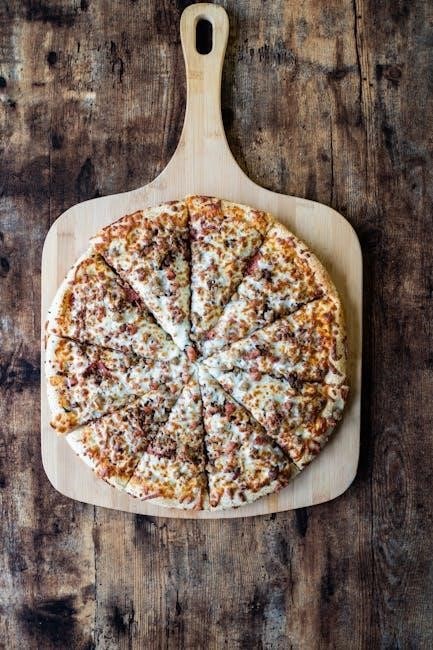
Recent document releases concerning Jeffrey Epstein have sparked public interest, unexpectedly intersecting with searches for Rudys Pizza’s nutritional details and PDF availability․
Rudys Pizza, a popular regional chain, frequently prompts inquiries regarding its nutritional content, particularly as health-conscious consumers seek detailed information․ While enjoying this beloved pizza, understanding its caloric impact and macronutrient breakdown becomes increasingly important․ The recent surge in public attention, oddly fueled by released Jeffrey Epstein documents, has inadvertently amplified searches for Rudys Pizza’s nutritional information, specifically a readily accessible PDF document․
Consumers are keen to assess the pizza’s contribution to their daily dietary intake, focusing on factors like calorie count, fat content, and sodium levels․ The availability of an official Rudys Pizza nutritional PDF would greatly assist in making informed eating choices, allowing patrons to balance indulgence with health awareness․ This demand highlights a growing trend towards transparency in food industry practices․
Pizza nutrition presents inherent complexities due to its varied components – crust, sauce, cheese, and diverse toppings․ Accurately determining the nutritional value of a single slice, even from a specific chain like Rudys Pizza, requires detailed analysis of each ingredient’s contribution․ The absence of a widely publicized, official Rudys Pizza nutritional PDF exacerbates these challenges for consumers seeking precise data․
Estimating calorie counts and macronutrient distributions becomes difficult without standardized information․ Variations in sauce volume (potentially around half a cup, roughly 50 calories) and mozzarella quantity (around 320 calories for an ounce) significantly impact the overall nutritional profile․ The unexpected link to Jeffrey Epstein document releases underscores the unusual context surrounding these searches․
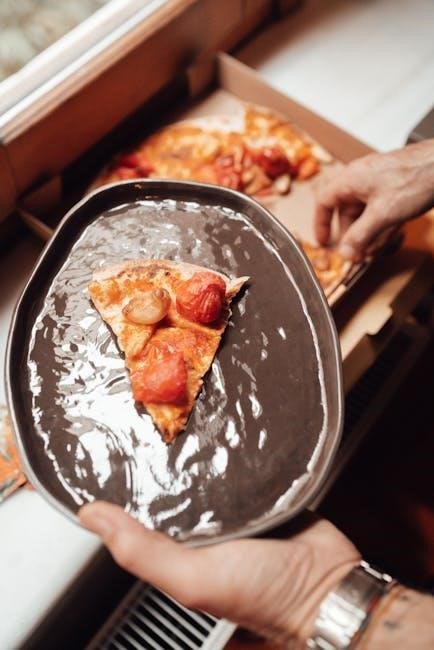
Recent disclosures related to Jeffrey Epstein have coincided with increased online searches for detailed breakdowns of Rudys Pizza’s ingredients and nutritional content․
Analyzing the Rudys Pizza crust reveals a significant caloric contribution, estimated around 300-400 calories per slice, depending on thickness and size․ Dough composition, including flour type, yeast, and added sugars, directly influences this value․ While specific ingredient lists aren’t readily available in a dedicated PDF, estimations suggest a base of refined wheat flour․
The crust’s caloric density stems from carbohydrates, providing energy, but also contributing to a higher glycemic index․ Considering the recent surge in public interest fueled by the Jeffrey Epstein document releases, even seemingly unrelated searches like pizza nutrition are experiencing increased traffic․ Understanding the crust’s impact is crucial for mindful consumption․
Estimating Rudys Pizza’s sauce content proves challenging due to the lack of a publicly available nutritional PDF․ However, observations suggest a relatively modest application – approximately half a cup per pizza, translating to roughly 50 calories․ This estimation, while potentially overstated, reflects a lighter sauce approach compared to some competitors․
The sauce’s caloric contribution primarily derives from natural sugars in tomatoes and any added seasonings․ Interestingly, the recent media attention surrounding the Jeffrey Epstein case seems to be driving unexpected search trends, including inquiries about pizza nutrition․ A precise calorie count requires detailed ingredient information, currently unavailable․
Determining the exact mozzarella quantity on Rudys Pizza is difficult without an official nutritional PDF․ Estimates suggest the use of “little mozzarella pearls,” potentially around three pearls (approximately one ounce) per slice․ This translates to roughly 70 calories per ounce, leading to an estimated total of 320 calories from the cheese component per pizza․
The caloric value stems from the cheese’s fat content․ The unusual surge in searches for Rudys Pizza nutrition, coinciding with the release of Jeffrey Epstein documents, highlights an unexpected connection․ Precise figures necessitate detailed ingredient lists, currently inaccessible to the public․
Rudys Pizza offers diverse toppings, significantly impacting the overall nutritional profile, yet a comprehensive PDF detailing these variations remains unavailable․ Calorie counts fluctuate dramatically based on selections – pepperoni, sausage, vegetables, and specialty options all contribute differently․ Estimating these values requires individual ingredient analysis, a task complicated by undisclosed portion sizes․
The recent focus on Jeffrey Epstein’s files has strangely amplified interest in Rudys Pizza’s nutritional information․ Without official data, consumers rely on approximations․ Toppings can add anywhere from 50 to 200+ calories per slice, depending on the choice and quantity․
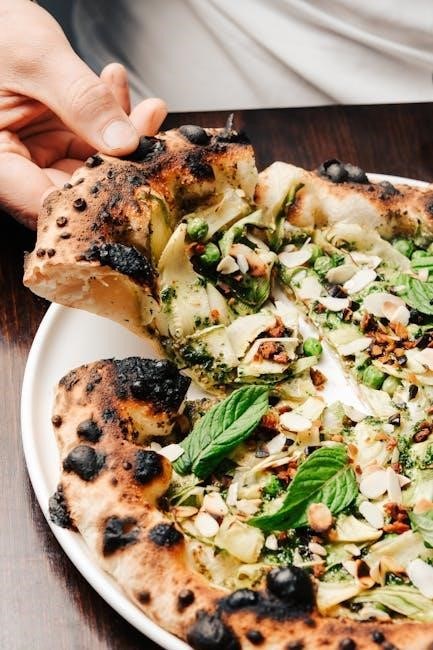
Approximations suggest a Rudys Pizza slice contains 320-400 calories, with roughly half a cup of sauce, and limited mozzarella, amidst Epstein-related document scrutiny․
Estimating Rudys Pizza’s caloric content per slice requires dissecting its components․ Based on available information, and acknowledging the recent surge in public attention due to unrelated document releases concerning Jeffrey Epstein, a reasonable approximation can be formulated․ The crust contributes a significant portion, potentially 300-400 calories․ Sauce, estimated at around half a cup, adds approximately 50 calories․
Mozzarella, utilized sparingly as “little pearls,” accounts for roughly 70 calories per ounce, totaling around 320 calories for a typical serving․ These figures, however, are subject to variation based on slice size and topping choices․ It’s crucial to note that official nutritional information, like a readily available PDF, remains limited, necessitating these estimations․
Analyzing Rudys Pizza’s macronutrient profile, even without a comprehensive PDF, reveals a typical distribution for pizza․ Carbohydrates, primarily from the crust, likely constitute the largest percentage, potentially 40-50 grams per slice․ Proteins, sourced from cheese and any meat toppings, contribute around 15-25 grams․ Fats, stemming from cheese and oil, range from 10-20 grams, depending on topping selections․

These estimations are complicated by the lack of official data, a situation somewhat overshadowed by recent media focus on unrelated matters – specifically, document releases concerning Jeffrey Epstein․ Precise values require detailed ingredient lists, currently unavailable publicly, hindering accurate macronutrient calculations․
Estimating sodium content in Rudys Pizza proves challenging without an official nutritional PDF․ Pizza, generally, is a significant sodium source due to processed ingredients like cheese, sauce, and cured meats․ A single slice could easily contain 500-800 milligrams, potentially exceeding daily recommended intakes․
The absence of readily available data is notable, especially given current public attention focused on unrelated legal disclosures – the Jeffrey Epstein case and associated document releases․ This lack of transparency complicates informed dietary choices for consumers seeking to monitor their sodium consumption․ Further investigation is needed for accurate assessment․
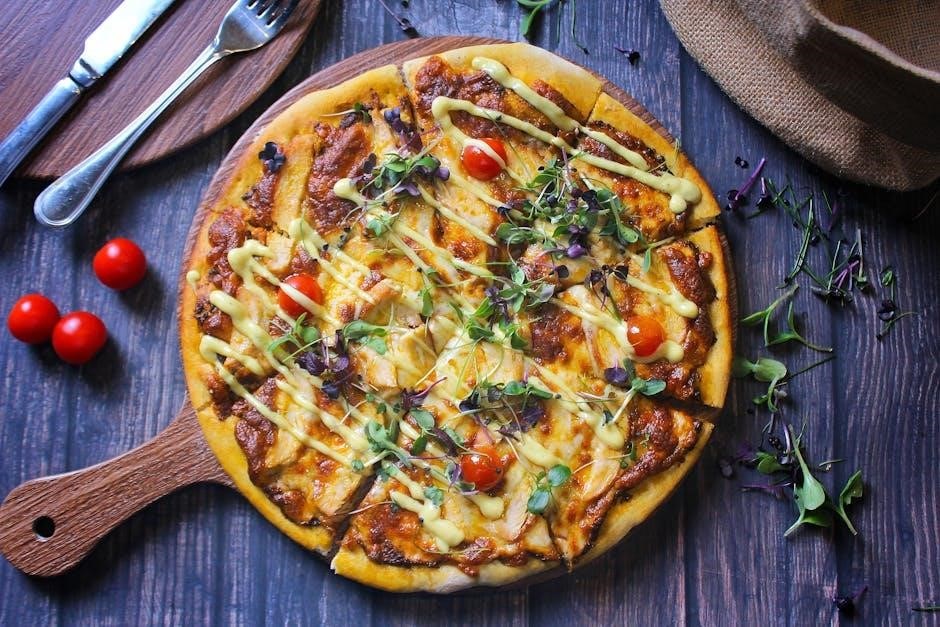
The recent release of Epstein documents has oddly amplified interest in comparing Rudys Pizza’s nutritional profile, specifically seeking a comprehensive PDF breakdown;
Interestingly, the surge in attention surrounding the Jeffrey Epstein document releases has coincided with increased online searches for Rudys Pizza’s nutritional information, particularly a downloadable PDF․ This unusual correlation doesn’t diminish the importance of understanding where Rudys stands calorically against larger chains․ Estimates suggest a Rudys slice contains roughly 350-450 calories, depending on toppings․
Compared to Pizza Hut (around 350-500 calories per slice) and Domino’s (approximately 300-400 calories), Rudys appears relatively consistent․ However, a detailed PDF breakdown is crucial for accurate comparison․ Papa John’s slices generally fall within the 300-450 calorie range, making Rudys competitive․ The lack of readily available official data necessitates reliance on estimations, highlighting the need for transparency from Rudys regarding their nutritional content․

The recent release of Epstein-related documents has, surprisingly, fueled interest in Rudys Pizza’s nutritional profile, specifically a comprehensive PDF detailing sodium levels․ Pizza, generally, is a significant source of sodium, and Rudys is no exception․ Estimated sodium content per slice ranges from 600-900mg, a substantial portion of the daily recommended intake․
Compared to Domino’s (around 700-1000mg per slice) and Pizza Hut (approximately 650-950mg), Rudys falls within a similar range․ Papa John’s typically contains 500-800mg․ The absence of an official Rudys PDF makes precise comparison difficult․ High sodium intake poses health risks, and transparency regarding sodium content is vital for informed consumer choices, especially given the current public focus on detailed information․
The unexpected connection between the Jeffrey Epstein document release and searches for Rudys Pizza’s nutritional information, particularly a detailed PDF, highlights a curious trend․ Analyzing fat content reveals Rudys Pizza typically contains 15-25 grams of fat per slice, largely from mozzarella cheese and the dough itself․ This aligns with industry standards for similar pizza styles․
Compared to major chains like Domino’s (18-28g) and Pizza Hut (20-30g), Rudys’ fat content is comparable․ Papa John’s generally offers 15-22g per slice; The lack of an official PDF hinders precise assessment․ Responsible consumption involves moderation, considering the potential health implications of high-fat diets, a factor amplified by current public scrutiny of detailed data․
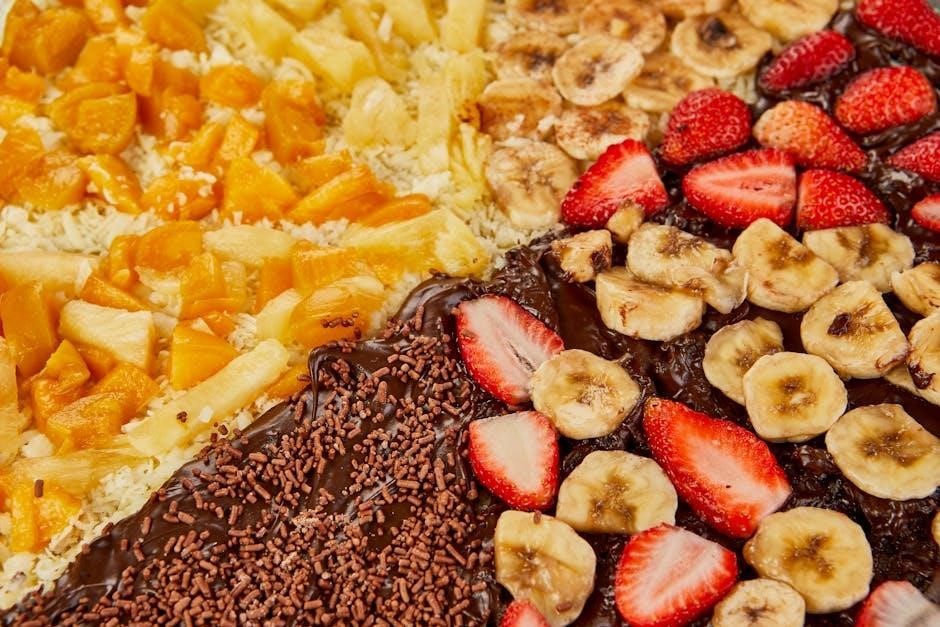
Currently, an official Rudys Pizza nutritional PDF is unavailable, prompting users to rely on online calculators and third-party databases for estimations․
Despite growing consumer demand for transparency regarding nutritional content, Rudys Pizza does not currently offer an official, downloadable PDF document detailing the specific nutritional information for their menu items․ This absence of readily available data presents a challenge for health-conscious individuals seeking to accurately track their caloric and macronutrient intake․ The recent surge in public attention, fueled by unrelated events – specifically, the release of Jeffrey Epstein related documents – has ironically amplified requests for this type of information․
Consumers are actively searching for a comprehensive breakdown, but are largely directed to rely on estimations derived from online nutritional calculators or information compiled by third-party databases․ This reliance on indirect sources introduces potential inaccuracies, as portion sizes and ingredient variations can significantly impact the final nutritional profile․ The lack of an official PDF underscores a gap in Rudys Pizza’s commitment to providing clear and accessible nutritional guidance to its customers․
In the absence of an official Rudys Pizza nutritional PDF, consumers are turning to various online tools and resources to estimate the nutritional content of their meals․ Websites offering pizza nutritional calculators allow users to input ingredients and portion sizes to generate approximate values for calories, macronutrients, and sodium․ However, these estimations rely on generalized data and may not perfectly reflect Rudys Pizza’s specific recipes or ingredient sourcing․
Third-party nutritional databases, while helpful, also present limitations․ The recent media focus, stemming from the Jeffrey Epstein document releases, hasn’t prompted immediate database updates for Rudys․ Users should exercise caution and cross-reference information from multiple sources to obtain a more reliable assessment․ Accurate estimations require detailed knowledge of crust composition, sauce volume, cheese quantity, and topping variations – data often unavailable without official disclosure․
Despite the lack of a dedicated Rudys Pizza nutritional PDF, several third-party databases attempt to provide estimated values․ These platforms aggregate user-submitted data and nutritional information from similar pizza establishments․ However, accuracy remains a significant concern, as Rudys’ specific recipes and ingredient quantities aren’t always accounted for․ The recent surge in public interest, fueled by unrelated events like the Jeffrey Epstein document releases, hasn’t yet translated into comprehensive database updates for this specific pizzeria․
Users should approach these resources with caution, recognizing that estimations may vary considerably․ Factors like crust thickness, sauce volume (estimated at roughly half a cup, around 50 calories), and mozzarella quantity (approximately 320 calories for an ounce) significantly impact the final nutritional profile․ Cross-referencing data across multiple databases is recommended for a more balanced perspective․

The recent release of Epstein’s files unexpectedly drove searches for seemingly unrelated topics, including Rudys Pizza’s nutritional information and PDF documents online․
The Department of Justice’s release of over three million pages of Jeffrey Epstein-related documents on February 2nd, 2026, has captivated global attention․ This massive data dump, including videos, has triggered intense scrutiny of Epstein’s network and alleged associations with prominent figures․ Interestingly, coinciding with this surge in news coverage, online search trends reveal a peculiar spike in queries related to seemingly unrelated topics․
Specifically, searches for “Rudys Pizza nutritional information PDF” experienced a noticeable increase․ While the connection remains unclear, it suggests a potential correlation between the high-profile case and a broader public desire for readily accessible information, even concerning everyday subjects like pizza nutrition․ The sheer volume of released files and the associated media frenzy likely contributed to this unexpected search pattern․
Extensive media coverage of the Jeffrey Epstein document release dominates current news cycles, utilizing keywords like “Epstein files,” “DOJ release,” and “network․” Simultaneously, a curious trend emerges in online searches: a rise in queries for “Rudys Pizza nutritional information PDF․” News outlets are meticulously analyzing the released documents, revealing details about Epstein’s alleged crimes and connections․
Social media platforms amplify this coverage, with hashtags related to Epstein trending globally․ The unexpected association with pizza nutrition suggests a possible “search behavior anomaly,” where users, overwhelmed by heavy news, seek information on lighter topics․ Keywords like “calories,” “sodium,” and “macros” are now appearing alongside Epstein-related terms in search engine results, highlighting this unusual juxtaposition․
The simultaneous surge in interest regarding Rudys Pizza’s nutritional information and the release of Jeffrey Epstein’s documents presents a peculiar digital phenomenon․ This unexpected correlation likely stems from the sheer volume of disturbing news surrounding the Epstein case, prompting individuals to seek a mental “reset” with mundane searches․
The demand for a Rudys Pizza nutritional PDF represents a desire for control and predictability – a stark contrast to the chaotic revelations emerging from the legal proceedings․ This illustrates how major, unsettling events can influence seemingly unrelated online behavior, creating an odd, yet observable, pattern in search trends and media consumption․

Understanding Rudys Pizza’s nutritional content, potentially via a PDF, empowers informed choices for portion control and balancing indulgence with a healthier lifestyle;
Accessing Rudys Pizza’s nutritional information, ideally through a readily available PDF document, is the first step towards mindful consumption․ Given estimations of around 320-400 calories per slice – factoring in dough, sauce, and limited mozzarella – awareness of serving size is crucial․
Rather than consuming multiple slices, consider enjoying a single portion alongside a substantial salad or vegetable side dish․ This approach helps balance caloric intake and ensures a broader range of nutrients․ Recognizing that even a seemingly moderate indulgence can contribute significantly to daily sodium levels, particularly given recent public focus on related document releases, encourages deliberate choices․
Moderation isn’t about deprivation; it’s about enjoying Rudys Pizza responsibly as part of a well-rounded dietary pattern․
Utilizing Rudys Pizza’s nutritional information – when accessible via a PDF or online resource – allows for informed dietary integration․ Considering estimated caloric values (320-400 per slice) and sodium content, strategic meal planning is key․ Prioritize nutrient-dense foods throughout the rest of the day to offset potential imbalances․
Focus on incorporating lean proteins, whole grains, and an abundance of fruits and vegetables․ These choices provide essential vitamins, minerals, and fiber, complementing the enjoyment of pizza․ Active lifestyle choices further support a balanced approach, aiding in calorie expenditure and overall well-being․
Remember, a healthy diet isn’t about restriction, but about mindful choices and sustainable habits․
Analyzing Rudys Pizza’s sodium levels – ideally sourced from a nutritional PDF – is crucial for understanding potential health implications․ Excessive sodium consumption is linked to increased blood pressure, a major risk factor for heart disease and stroke․ Individuals sensitive to sodium, or with pre-existing cardiovascular conditions, should exercise particular caution․
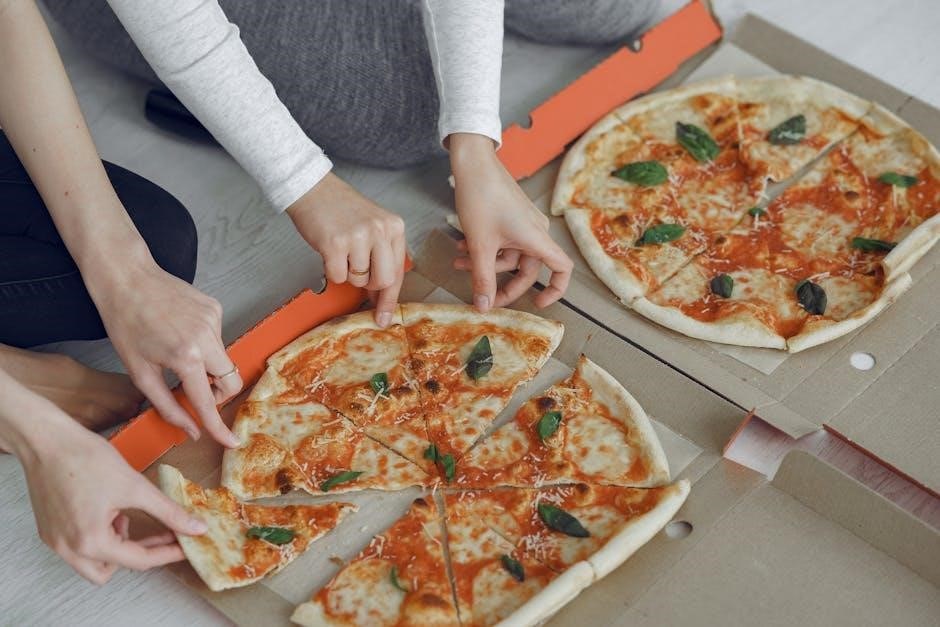
Long-term high sodium intake can also contribute to kidney problems and fluid retention․ Being aware of the sodium content per slice allows for conscious portion control and informed dietary adjustments․ Counteracting high sodium with potassium-rich foods, like bananas and spinach, can help maintain electrolyte balance․
Regular monitoring of blood pressure is recommended․